How Often Should You Schedule Septic Services in Wantage NJ
If you own a home with a septic system, the question is not whether service matters. It is how long you can safely wait between visits without inviting expensive trouble. That answer is never one-size-fits-all, and that is especially true in a place like Wantage, NJ, where household size, soil conditions, weather swings, and the age of the system all shape the maintenance schedule.
Homeowners often want a simple number. Pump every three years. Inspect every year. Done. Real life is a little messier. Some tanks need attention sooner because the house is full every weekend, the garbage disposal gets heavy use, or the drain field sits in ground that does not recover quickly after wet weather. Other systems, especially in smaller households with careful water use, can go longer without issues. The trick is knowing the difference before the warning signs start to show up in your yard, your plumbing, or your budget.
For most households, a reasonable starting point is this: plan on a professional septic inspection every one to three years, and expect pumping somewhere around every three to five years. That is not a universal rule, but it is a sound baseline for many properties seeking reliable septic services in Wantage NJ. From there, the right schedule gets more precise once you factor in how your home actually uses the system.
Why septic timing is not just a calendar issue
A septic system works quietly until it does not. Wastewater leaves the house, solids settle in the tank, oils and lighter material rise, and partially treated liquid moves out to the drain field. Over time, the tank fills with sludge and scum. When those layers get too thick, solids can move into places they do not belong. That is where routine service stops being a maintenance line item and starts becoming a form of damage prevention.
I have seen homeowners postpone pumping because everything inside the house still seemed fine. Toilets flushed. Sinks drained. No obvious smell. Then one wet spring later, the system backed up into the basement or surfaced in the yard. In many cases, there had been subtle clues for months, just not enough to force action. Septic systems fail gradually until they fail all at once.
That is why service intervals should be based on system loading and condition, not guesswork. Waiting for a backup is like waiting for your car engine to seize before changing the oil. You can do it, but it is a very expensive way to learn.
The general rule for Wantage homeowners
A practical maintenance rhythm usually includes two separate ideas: inspection and pumping. They are related, but not interchangeable.
An inspection checks the condition of the tank, baffles, access lids, visible components, and in many cases the general performance of the system. A pumping service removes the accumulated solids from the tank so they do not overflow into the drain field. Some visits include both, but it helps to think of them as different jobs.
For many homes in Wantage, this schedule works well as a starting framework:
- Inspect the septic system every 1 to 3 years.
- Pump the tank every 3 to 5 years.
- Service sooner if the household is large, water use is high, or the system is older.
- Reassess after major lifestyle changes, such as a home addition or more full-time occupants.
That range is broad because homes are broad. A retired couple in a three-bedroom home does not stress a tank the same way a family of five with teenagers, frequent laundry, and guests every holiday weekend does. The system only sees water and waste load. It does not care how tidy the house looks from the street.
What changes the schedule most
The biggest factor is simple: how much wastewater the house produces. The more people using bathrooms, showers, washing machines, and kitchen drains, the faster solids build up in the tank.
Household size matters, but habits matter too. Two people who both work from home, run daily laundry, take long showers, and cook heavily can generate more septic load than three people who use water conservatively. Garbage disposals also speed up sludge accumulation. They are convenient, but every ground-up food scrap that goes down the drain asks the septic tank to do more work.
Tank size changes the math as well. A larger tank gives more room for solids to settle before pumping becomes urgent. A smaller tank fills faster under the same household conditions. If you bought your home years ago and do not know the tank size, that is worth finding out at the next inspection. It affects every service recommendation afterward.
Then there is system age. Older tanks and drain fields often need closer watching, not because age alone means failure, but because older components may have wear, root intrusion, compromised baffles, or years of inconsistent maintenance behind them. An older system that has been pumped on time can still perform well. An older system that has been neglected is a different story.
How Wantage conditions can affect septic service frequency
Rural and semi-rural properties often deal with septic systems as a fact of life, and Wantage is no exception. Seasonal weather matters more than many homeowners realize. Heavy rains, spring thaw, and prolonged wet periods can saturate soil and reduce the drain field’s ability to accept water efficiently. That does not necessarily mean you need pumping purely because it rained, but it does mean weak systems often reveal themselves during wet conditions.
Properties with sloped yards, older landscaping, or trees planted too close to the system may need more frequent monitoring. Tree roots have a talent for finding moisture and exploiting small weaknesses. Compacted soil from vehicle traffic over the drain field can also reduce performance over time. These are not reasons to panic, but they are reasons not to rely on a generic schedule from a friend in a different town with a different property layout.
In areas where homes change hands and additions get built over the years, another https://rentry.co/fcbn9tux common issue appears: the septic system was sized for an earlier version of the home’s occupancy. A house that once held two adults may now serve a larger family or multigenerational household. The tank did not grow with the kitchen renovation.
That is where local septic services become especially useful. Contractors familiar with septic services Wantage NJ can often spot recurring regional issues faster than someone applying a generic national rule.
Warning signs that mean you should not wait
Sometimes the calendar says you still have time, but the system says otherwise. When that happens, trust the system.
- Slow drains throughout the house, especially when more than one fixture is used.
- Gurgling sounds in plumbing lines or toilets that behave unpredictably.
- Sewage odors near the tank, yard, or drain field area.
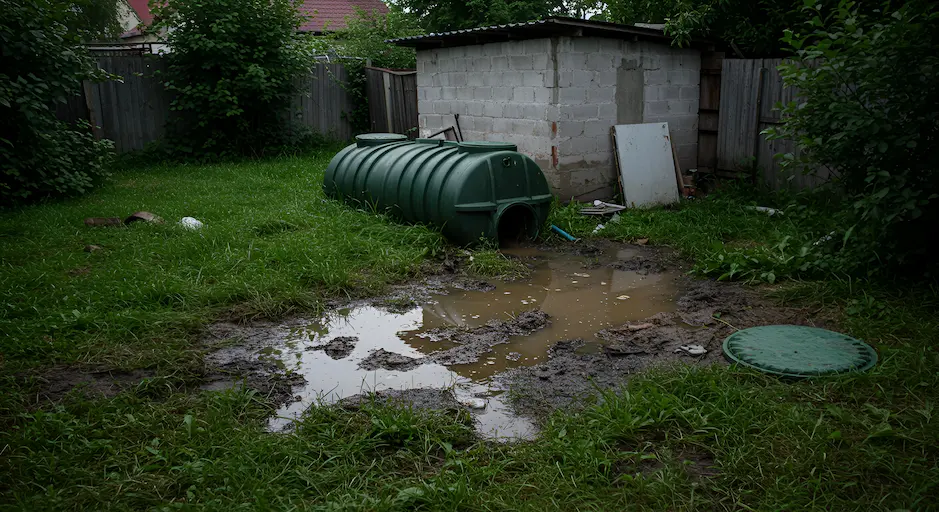
- Wet patches, lush green strips, or standing water over the drain field.
- Backups in lower-level fixtures, particularly after heavy water use.
None of these symptoms automatically proves the tank is full. A plumbing blockage can mimic septic trouble. So can saturated soil. But each sign deserves prompt attention. If several show up together, waiting another six months because the pump-out was “supposed” to happen next spring is a gamble.
The difference between routine pumping and emergency service
Routine pumping is controlled, predictable, and usually far less expensive than emergency work. You schedule it before the tank reaches a critical level. The technician accesses the tank, removes solids, checks visible components, and can often point out issues while they are still manageable.
Emergency service arrives after the system has already started to fail, or at least after it has become impossible to ignore. At that point, the problem may involve more than a full tank. There could be a blocked outlet, damaged baffle, overloaded drain field, root intrusion, or years of solids migration beyond the tank. Pumping may still be part of the fix, but it may not be the whole fix.
One homeowner I once spoke with had skipped service for years because the house was occupied by just one person most of the time. That part was true, but what got missed was the effect of frequent guests and a leaking toilet that had been running steadily for months. The tank was not just overdue. The excess water had pushed the system beyond what the drain field could comfortably absorb. What could have been routine maintenance turned into a much larger repair conversation.
How inspections help you stretch service life
A good inspection is not just a sales step before pumping. It is how you make smarter decisions about timing. If sludge and scum levels are still well within safe limits, you may not need immediate pumping. If the tank is accumulating faster than expected, you can shorten the interval before damage occurs.
Inspections also help establish a pattern. The first service after you move into a house tells you what condition the system is currently in. The next one tells you how your own household uses it. After that, recommendations become much more accurate. Instead of relying on broad estimates, you are working from your system’s real-world behavior.
This matters because over-pumping on an arbitrary schedule is not ideal either. It is better than neglect, certainly, but the best maintenance plan is informed rather than mechanical. The goal is not to service the system as often as possible. The goal is to service it before solids threaten performance.
What a household can do between septic service visits
The tank and drain field do the hard work, but homeowner habits set the pace. Every gallon you send through the system counts, and so does what goes down the drain.
Spread out laundry instead of doing many loads back to back. Fix running toilets quickly. Be cautious with food waste, grease, wipes, paper towels, and hygiene products. Even items labeled flushable often do not behave well in septic systems. Use the garbage disposal sparingly if you have one. Divert roof runoff and surface water away from the drain field area. Keep vehicles and heavy equipment off that part of the yard.
These are not glamorous tips, but they move the needle. I have seen households cut down on service frequency simply by fixing leaks and changing drain habits. On the other side, I have seen newer systems stressed early because convenience won out over common sense.
Older systems need judgment, not panic
Many properties in Sussex County and surrounding areas have septic systems that are not new, and age often makes owners uneasy. That concern is understandable, but old does not automatically mean failing. It usually means the system deserves a more careful service plan.
If your system is older and maintenance records are incomplete, the best move is not to guess. Schedule an inspection and have the condition evaluated. The technician may recommend pumping, checking for signs of leakage, confirming access points, or reviewing drain field performance. Once that baseline is established, future timing becomes more grounded.
An older system may benefit from shorter intervals, perhaps inspections every year or two rather than waiting three years. That is especially true if the home has added occupants or if the property has shown signs of wet spots, odors, or sluggish drainage in the past. The point is to catch deterioration early, when options are broader and less costly.
If you just bought a house in Wantage
New homeowners are often handed a folder with partial information and a lot of assumptions. Maybe the seller says the system was “recently serviced.” Maybe there is a receipt from years ago but nothing in between. Maybe nobody seems quite sure where the tank lid is. That uncertainty is common.
If you have recently purchased a home with a septic system, it is wise to schedule an inspection sooner rather than later, even if no obvious problems are showing. Not because disaster is guaranteed, but because it gives you a starting point you can trust. From there, you can build a sensible schedule for future septic services.
Without that baseline, people tend to do one of two things. They either overreact and pump too often out of fear, or they wait too long because the house seems to be functioning normally. Neither approach is ideal. A straightforward inspection removes a lot of that guesswork.
Budgeting for septic services before you need them
Septic maintenance is easier to handle financially when it becomes routine. A planned pump-out every few years is usually manageable. Drain field replacement, interior cleanup after backup, or excavation to address neglected issues is a different category altogether.
That is one reason I tell homeowners to think of septic service as part of the home’s operating cost, not an unexpected emergency. Set aside funds annually, keep records of each visit, and ask the technician what interval makes sense based on your tank size and household use. If the recommendation changes after a few years, that is normal. Your life changes, and your septic schedule should reflect it.
Good records are more valuable than people realize. They help you track service history, support future home sales, and spot changes in how quickly the tank is filling. Over time, that information can prevent both overservicing and neglect.
So how often should you schedule septic services in Wantage NJ?
For a large share of homeowners, every three to five years for pumping and every one to three years for inspection is a practical answer. But the better answer is this: schedule service often enough that solids never have the chance to compromise the drain field, and often enough that changing conditions at the property are caught early.
If your household is larger, your water use is heavy, your system is older, or your yard has shown signs of stress during wet weather, lean toward shorter intervals. If your home has light occupancy, a properly sized tank, and a strong maintenance history, you may have a bit more flexibility. The right interval is not based on optimism. It is based on use, condition, and observation.
The homeowners who get the most life from their systems tend to do a few simple things well. They respect the limits of the system, they keep service records, and they call for help before a minor issue becomes a major one. That is the real secret behind smart septic services Wantage NJ. Not panic, not neglect, just consistent care at the right time.
A septic system rarely asks for attention every day, but when it does, it pays to listen early.
Excavating New Jersey LLC
Address: 406 County Rd 565, Wantage, NJ 07461
Phone number: +19737914284
FAQ About Septic Services Wantage NJ
What is the average cost to get a septic tank emptied?
Emptying a septic tank costs between $290 and $560 on average, with most homeowners paying about $420. Prices vary based on tank size.
What is septic service?
Septic service inspects, pumps, cleans, and maintains a septic tank. A septic tank is a large, underground container that collects and treats wastewater from your home. Over time, sludge, scum, and other debris, like hair and solids, can build up in your tank and clog your drain field.
How often should you have a septic tank serviced?
A standard septic tank should be inspected every 1 to 3 years and pumped every 3 to 5 years. However, the exact schedule depends on your tank's capacity, household size, and daily water usage.