Norweco Singulair Green and Septic System Modernization
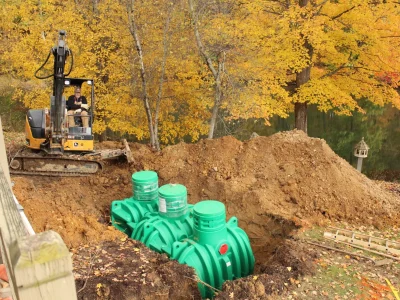
Modernizing an onsite wastewater system is rarely anyone’s first choice for a property upgrade. People will replace countertops, remodel bathrooms, and pour money into landscaping long before they think seriously about what happens after the toilet flushes. Yet the septic system is one of the few pieces of infrastructure on a property that affects health, regulatory compliance, operating costs, and resale value all at once. When an older system begins to struggle, a modern treatment platform like the norweco singulair green often enters the conversation for good reason.
I have seen this decision play out in several settings: aging lake homes where nutrient control matters, suburban lots with limited drainfield area, and commercial properties that outgrew systems designed decades ago. In each case, the owner started from the same place. They did not want a science project in the yard. They wanted a dependable system that could meet current performance expectations without constant intervention. That is where modernization becomes less about replacing old equipment and more about matching treatment technology to the demands of the site.
Why older septic systems fall behind
A conventional septic system can work very well when site conditions cooperate. A properly sized tank paired with suitable soil treatment has served rural and semi-rural properties for generations. The problem is not that every older system is bad. The problem is that many of them were installed under assumptions that no longer hold up.
Occupancy changes. Houses that once served a retired couple now host large families or short-term rental traffic. Water use patterns shift too. High-efficiency fixtures can reduce total flow, but modern living often creates sharper peak loads, especially on weekends. Laundry, long showers, and guest stays create bursts that stress a system in ways old designs were not always built to handle.
Then there is the site itself. Soil compaction from years of vehicle traffic, tree root intrusion, changing groundwater levels, and incremental clogging of components all chip away at performance. Local regulations also tend to tighten over time, particularly in areas sensitive to nitrogen, pathogens, or nutrient migration to nearby water bodies. A system that passed inspection twenty years ago may no longer represent best practice, even if it technically still functions.
That gap between basic function and modern performance is where system upgrades start to make sense. Owners are not always reacting to a catastrophic failure. Sometimes they are trying to solve chronic nuisance issues before they become formal violations or expensive emergencies.
What modernization really means
Septic modernization does not always mean installing a completely different wastewater strategy. Often it means moving from passive primary treatment into a more controlled treatment process, one that delivers higher quality effluent before it reaches soil dispersal. That distinction matters.
If a septic tank mostly separates solids and scum, an advanced treatment unit goes further. It introduces managed biological treatment, often through aeration and recirculation or other engineered processes, to reduce organic load and suspended solids more effectively. Cleaner effluent gives the downstream dispersal area a better chance to perform well and last longer.
For some sites, modernization also means adapting to difficult constraints. Maybe the lot is small. Maybe native soils are marginal. Maybe the property owner wants to add a bedroom, convert a seasonal cottage to full-time use, or reopen a food service operation that has more wastewater strength than a basic residential system was meant to handle. In those situations, a more sophisticated treatment system can be the difference between a viable project and a dead norweco singulair green end.
Where the Norweco Singulair Green fits
The norweco singulair green is part of the category often referred to as advanced onsite wastewater treatment. The appeal is straightforward. It is designed to provide treatment beyond what a simple septic tank offers, using an integrated approach that supports aerobic biological activity. In practical terms, that can translate to better effluent quality and more flexibility in challenging installations, provided the unit is correctly specified, installed, and maintained.
One thing property owners sometimes miss is that advanced treatment equipment is not magic. It does not erase poor siting, bad installation, or neglect. What it can do is raise the level of treatment before wastewater reaches the next stage of the system. On constrained properties, that extra treatment can be crucial. On environmentally sensitive sites, it can help align a project with regulatory expectations that a conventional tank alone would struggle to meet.
The strongest candidates for this kind of modernization are often properties facing one or more of the following pressures:
- an undersized or aging conventional septic system
- poor native soil conditions or limited replacement area
- stricter local performance standards for effluent quality
- increased water use from additions, occupancy changes, or business growth
- proximity to lakes, streams, wells, or other sensitive receptors
That list captures the pattern I see most often. The technology is usually not chosen because it is fashionable. It is chosen because the site or use case has stopped fitting the older model.
Looking beyond the brochure
Manufacturers understandably present their systems in the best possible light. That is fine, but the real-world value of any treatment unit shows up in installation details and long-term service behavior. When owners ask whether a system like the norweco singulair green is a good investment, I usually steer the conversation away from the marketing language and toward five grounded questions.
First, what treatment level does the jurisdiction require for this property? Second, what are the limiting site conditions? Third, who will install and service the unit locally? Fourth, what does ownership cost over ten to fifteen years, not just at purchase? Fifth, how tolerant is the system of real human behavior, including vacation absences, heavy holiday use, and imperfect maintenance habits?
Those questions matter because a sophisticated unit on paper can still be a poor fit if local support is weak or owner expectations are unrealistic. By the same token, a higher-end treatment platform can be the smartest path when a conventional approach would involve large earthwork, a complicated mound, or repeated repairs with no meaningful improvement.
Installation quality is the hinge point
I have seen advanced systems perform beautifully, and I have seen them struggle for reasons that had little to do with the core equipment. Excavation depth, bedding, pipe elevations, venting, electrical setup, control settings, and watertight connections all influence outcome. A poor installer can make a good unit look bad.
One residential project stands out. The owner had battled surfacing effluent near the drainfield edge after wet seasons. The knee-jerk assumption was that the field had reached the end of its life. A closer site review showed a mix of issues: roof drainage had been directed toward the treatment area, one section of line had inadequate fall, and the original tank had never been ideal for the renovated house’s occupancy. Modernization with an advanced treatment unit was still the right call, but only after correcting water management and layout defects. Had those underlying issues been ignored, the owner might have spent significant money and seen only modest improvement.
This is why the design phase matters as much as the equipment choice. The treatment unit, pump chamber if present, control panel, alarms, dispersal method, reserve area, and access for service all have to function as a coordinated system. A modernized septic installation should feel intentional, not pieced together.
The maintenance trade-off, honestly stated
A conventional septic tank asks relatively little of an owner between inspections and pumping. An advanced treatment system asks more. That is not a flaw. It is simply the cost of higher performance.
Mechanical and electrical components need periodic review. Aeration equipment, controls, and effluent filters, where used, require service at intervals set by the manufacturer and local authority. Sludge accumulation still has to be managed. If alarms are ignored, minor issues can become expensive ones. In some regions, service contracts are mandatory, especially for systems approved under performance-based permitting.
Owners sometimes resist this because they compare an advanced unit to a septic tank that they have largely forgotten about for years. That comparison is incomplete. The better comparison is between a managed treatment system and the cost of repeated failures, nuisance odors, emergency pump-outs, drainfield replacement, code enforcement, or the inability to expand the property’s use. Against those risks, scheduled maintenance often looks much more reasonable.
Still, there is no benefit in pretending maintenance is optional. If an owner knows they will not pay attention to service reminders, will ignore alarms, or is located somewhere with limited technician availability, that should be discussed upfront. The best wastewater system is not the one with the longest feature list. It is the one that the site needs and the owner can support.
Operating expectations in everyday use
One of the practical advantages of a properly chosen advanced treatment system is steadier performance under variable conditions. That said, owners should understand how everyday behavior affects the system. Long periods of vacancy, sudden occupancy spikes, harsh chemical dumping, and non-flushable materials all create stress. The unit is designed to foster biological treatment, and biology responds best to somewhat predictable loading.
Vacation homes are an interesting case. People often assume intermittent use makes things easy. Sometimes it does, but not always. A cabin that sits quiet for three weeks and then hosts twelve people over a holiday weekend presents a different challenge than a house with stable daily occupancy. A system like the norweco singulair green can still work well in that environment, but the design must anticipate the pattern. Equalization, dosing strategy, and downstream dispersal details become more important.
Commercial or mixed-use sites raise the stakes further. Restaurants, salons, offices, and event spaces can have wastewater characteristics that diverge sharply from standard residential assumptions. Grease, cleaning products, and peak surges all require attention. Advanced treatment can be part of the answer, but pretreatment and realistic loading calculations matter just as much.
Costs, where people often misjudge the project
The initial installed cost of a modern treatment system is generally higher than that of a basic gravity septic setup. There is no point softening that reality. Equipment, controls, electrical work, site engineering, permit requirements, and startup all add cost. In some markets, the difference is substantial.
Where owners often misjudge the economics is in assuming the cheapest install is the least expensive path overall. On difficult sites, a conventional approach may require extensive imported material, a raised system, major disturbance, or future compromises in property use. If advanced treatment allows a smaller footprint, improves compliance confidence, or extends the useful life of the dispersal area, the cost gap can narrow quickly over time.
I encourage owners to think in terms of total cost of ownership. Installation is one piece. Add routine service, power use, pumping intervals, component replacement over the long haul, and the avoided cost of failure or regulatory trouble. Not every property justifies an upgrade. Some do, clearly.
Signs that modernization deserves serious consideration
Property owners usually wait too long to address septic shortcomings. They hope one more pumping, one more repair, or one more dry season will buy several years. Sometimes it does. More often it delays an inevitable decision while the site becomes harder to manage.
The warning signs tend to be familiar:
- recurring odors near the tank, treatment area, or plumbing vents
- wet spots or lush green strips over dispersal components
- backups, slow drains, or nuisance high-water conditions after normal use
- remodeling plans that increase occupancy or fixture count
- local requirements that trigger upgrades during sale, expansion, or permit renewal
None of these signs automatically means a specific treatment unit is required. They do mean the property should be evaluated by someone who understands both conventional and advanced onsite options.
Regulatory pressure is not just red tape
It is easy to frame septic modernization as a response to bureaucratic hassle, but that is too simplistic. In many regions, stricter wastewater rules emerged because poorly treated effluent was creating measurable problems. Failing systems can contaminate shallow groundwater, contribute nutrients to nearby lakes, and expose residents to pathogens. The closer development gets to shorelines and neighboring wells, the less room there is for poor performance.
That regulatory backdrop is one reason advanced treatment systems have gained traction. They give designers and permitting authorities a better chance of meeting performance goals on sites that would otherwise be marginal. For the property owner, that can mean access to a permit that would be difficult or impossible with a conventional design alone.
At the same time, compliance should not be reduced to paperwork. A good modernized system protects the owner too. It lowers the chance of nasty surprises during property transfer, inspection, or a complaint investigation. It also helps preserve the reputation and utility of the property itself. No one wants a beautiful home or profitable building undermined by wastewater problems.
Choosing the right contractor and service partner
This is the part that often determines whether owners feel satisfied five years later. Advanced treatment systems live or die by competent local support. Before committing, an owner should have direct conversations with the installer and, ideally, the service provider who will handle ongoing maintenance.
Ask how many comparable systems they have installed. Ask what the permit process typically involves in your area. Ask how alarm calls are handled, how quickly parts are available, and norweco singulair green excavatingnj.com what normal annual service includes. Ask what owner behavior causes the most avoidable problems. Good contractors answer these questions clearly and without defensiveness.
I also like to see expectations documented. What is covered in startup? Who provides owner orientation? What maintenance interval is recommended? What are typical consumables or replacement items over time? When the answers are vague, future frustration is almost guaranteed.
Modernization can improve property flexibility
One overlooked advantage of upgrading a septic system is that it can reopen possibilities for a property. A family may want to add a bedroom. An owner may want to convert a seasonal home into a year-round residence. A small business may need to adapt an underused building into something more productive. Wastewater capacity often sits at the center of those plans, even if people do not realize it at first.
A modern treatment system does not automatically create unlimited capacity, but it can support a more practical and defensible design for the use the owner actually wants. That matters because real estate value is shaped not just by what a property is, but by what it can become.
I have seen buyers walk away from otherwise attractive properties after learning the septic system was a patchwork with no realistic path to compliance. I have also seen upgraded systems calm a transaction immediately. Buyers do not expect perfection, but they respond well to infrastructure that has been professionally modernized with documentation and a clear service plan.
A balanced view of the Norweco Singulair Green
The norweco singulair green deserves attention in septic system modernization because it speaks to a real need in the market: better treatment from onsite systems in places where conventional designs alone may fall short. Its value is strongest when used thoughtfully, not reflexively. For the right site, it can support stronger effluent treatment, improved regulatory alignment, and better long-term functionality than an aging conventional setup.
That said, no brand name should short-circuit the due diligence process. The right answer always depends on wastewater strength, daily flow, occupancy pattern, soils, drainage, local code, and local service support. There are properties where rehabilitation of an existing conventional system makes sense. There are others where advanced treatment is not just beneficial but necessary. Good judgment lies in recognizing which case you are dealing with.
For owners standing at that crossroads, the smart move is to stop treating the septic system as a hidden afterthought. It is core infrastructure. When it is outdated, the whole property carries that weakness. When it is modernized well, the property becomes easier to use, easier to maintain, and easier to trust.
That is the real promise of septic modernization. Not novelty, not gadgetry, and not marketing polish. Just a wastewater system that meets present-day demands with fewer compromises than the one it replaces. On many properties, that is exactly what a well-designed upgrade centered around the norweco singulair green is meant to deliver.
Excavating New Jersey LLC
406 County Rd 565, Wantage, NJ 07461, United States
+1 973-791-4284
FAQ About norweco singulair green
How much does a NORWECO septic system cost?
The installed cost depends on the selected unit, engineering, site access, excavation, electrical work, disposal-field design and required approvals. A tank-only price is not a complete installation quote. Ask Excavating New Jersey LLC for a site-specific, itemized estimate that also explains ongoing service costs.
How does a Norweco septic system work?
The Singulair Green uses pretreatment, aeration, clarification and filtration to treat domestic wastewater. In the aeration chamber, oxygen supports bacteria that break down organic material. The Bio-Kinetic unit provides further filtration and flow equalization. Final effluent disposal must follow the property's approved design and applicable requirements.
What is the average lifespan of a septic system?
There is no guaranteed lifespan for every system. Design, installation, soil conditions, wastewater loading and regular maintenance all matter, and mechanical parts may need replacement before the tank. For a Singulair Green system, follow the manufacturer's service schedule and have a qualified provider assess its condition and pumping needs.